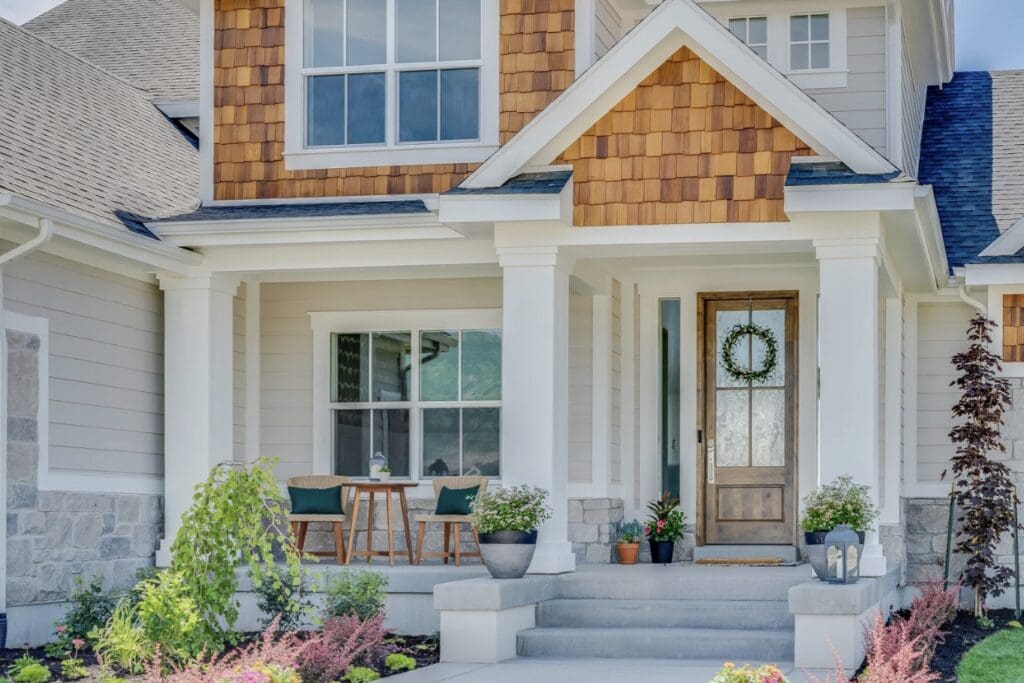
Watching a home you love sit on the market is frustrating. Everything feels right. It looks beautiful, it has been prepared with care, and you expected it to move quickly. Instead, the showings are quiet and the momentum never builds.
Naturally, the question becomes what went wrong.
In most cases, nothing is actually “wrong.” Instead, there is a disconnect between how the home is being presented and how buyers are making decisions. Once that gap is understood, the path forward becomes much clearer.
Buyers Are Comparing, Not Just Viewing
Today’s buyers are not walking into your home with fresh eyes. Instead, they are walking in with context. They have already seen dozens of homes online. In many cases, they have toured several in person.
Because of that, your home is being evaluated in seconds. Buyers are subconsciously asking how it stacks up. They are weighing price, condition, layout, and overall feeling all at once.
Even more importantly, they are not just looking for a home they like. They are looking for the one that feels like the best decision. That distinction changes everything.
Pricing Is Strategy, Not a Guess
Pricing is not just a number. It is a positioning tool that shapes how buyers perceive your home before they ever walk through the door.
If a home is priced even slightly above where buyers expect it to be, hesitation begins. Buyers assume there is room to negotiate, so they wait. Meanwhile, new listings continue to enter the market and pull their attention elsewhere.
On the other hand, when pricing is aligned with the market, it creates clarity. Buyers feel confident moving forward. In many cases, that confidence leads to stronger and faster offers.
Presentation Shapes Emotional Response
While data drives decisions, emotion drives action. That is where presentation becomes incredibly important.
Lighting, scale, furniture placement, and flow all influence how a home feels. A well designed space allows buyers to relax. It helps them picture their life unfolding there.
However, when a home feels crowded, dark, or disjointed, buyers struggle to connect. They may not be able to explain why.
That is why staging and preparation are not cosmetic. They are strategic.
The First Impression Happens Online
Before a buyer ever schedules a showing, they have already made a decision about your home. That decision happens online.
If the photos do not capture the space correctly, buyers may scroll past without a second thought. Even small issues, like poor lighting or awkward angles, can reduce interest.
In addition, the way a home is described matters. Strong marketing tells a story. It helps buyers understand not just what the home is, but how it lives.
Without that clarity, even a beautiful home can be overlooked.
Timing and Momentum Matter
The first week on the market is when your home receives the most attention. Buyers who have been waiting are actively watching. Agents are sending new listings to their clients.
If strong activity does not happen during that window, buyers begin to pause. They start to wonder if something is off. As a result, momentum slows.
However, when a home enters the market with the right preparation and pricing, it creates energy. That energy often leads to multiple showings and, ultimately, stronger offers.
Small Friction Points Add Up
In many cases, it is not one major issue causing a home to sit. Instead, it is several small friction points working together.
For example, the price may feel slightly high. The layout may feel a bit unusual. The photos may not fully capture the space. Individually, these seem minor. Together, they create hesitation.
Buyers rarely say all of this out loud. Instead, they simply move on to the next option.
The Right Strategy Changes the Outcome
The truth is, homes rarely sit because of one obvious issue. More often, it is a combination of small misalignments that create hesitation. Buyers may not be able to articulate it, yet they feel it immediately.
That is why selling a home is both a science and an art. Data matters. Strategy matters. However, so does perception, emotion, and the overall experience a home creates from the very first moment.
When all of those elements are working together, the difference is clear. Buyers respond faster. Interest builds naturally. Momentum follows.
If your home is not getting the attention you expected, it is not a reflection of its value. Instead, it is an opportunity to refine the approach. With the right adjustments, everything can change, often more quickly than you think.
Happy strategizing,
The Gals at Good To Be Home 🐝